
Building Skills for Success: The Importance of Construction Workforce Training
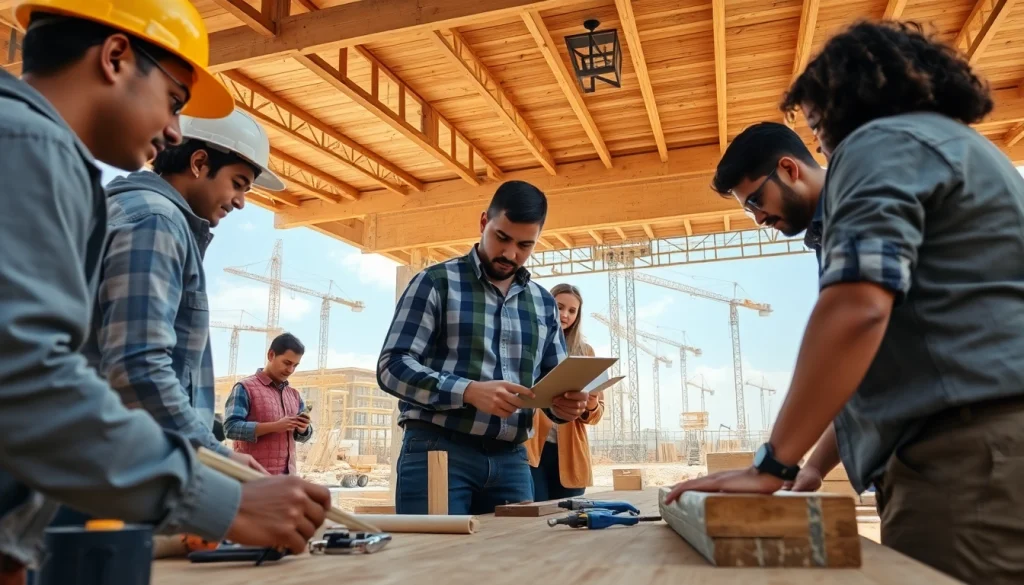
Understanding Construction Workforce Training
What is Construction Workforce Training?
Construction workforce training is a systematic approach aimed at equipping individuals with the necessary skills, knowledge, and competencies required to work effectively in the construction industry. This training encompasses various disciplines, including carpentry, plumbing, electrical work, safety practices, and management skills. Investing in construction workforce training is crucial for developing a competent workforce capable of meeting the industry’s demands.
The Importance of Skilled Construction Workers
Skilled construction workers form the backbone of any construction project. Their expertise not only ensures that projects are completed efficiently and to high standards, but it also contributes significantly to the safety and longevity of structures. As the construction industry evolves with new technologies and methodologies, the need for skilled workers becomes even more pronounced. A well-trained workforce results in fewer accidents, reduced rework rates, and enhanced project quality, ultimately fostering client trust and satisfaction.
Key Components of Effective Training Programs
Effective training programs in the construction workforce should integrate several essential components:
- Curriculum Development: A well-structured curriculum that encompasses both theoretical knowledge and practical skills is essential.
- Qualified Instructors: Trainers should possess significant industry experience and the ability to convey knowledge effectively.
- Hands-On Experience: Training should include practical sessions where participants can apply their learning in real-world scenarios.
- Skill Assessments: Regular assessments can help gauge the progress of trainees and ensure that learning objectives are met.
Benefits of Construction Workforce Training
Enhancing Safety Standards on Job Sites
One of the most important benefits of construction workforce training is the enhancement of safety standards on job sites. Training programs emphasize the importance of safety protocols, hazard recognition, and the correct use of personal protective equipment (PPE). With comprehensive training, workers are more capable of identifying potential hazards and mitigating risks, leading to a significant reduction in workplace accidents and injuries.
Boosting Productivity and Efficiency
Well-trained construction workers tend to be more productive. They understand their tasks well, which allows them to complete jobs more quickly and efficiently. Moreover, effective training helps reduce downtime caused by mistakes or lack of knowledge, leading to streamlined operations. This enhanced efficiency ultimately results in cost savings and increased profits for construction firms.
Addressing Labor Shortages in the Industry
The construction industry often faces labor shortages, particularly in specialized areas. By investing in workforce training, construction companies can develop a pipeline of skilled workers tailored to their specific needs. Training programs can attract new talent into the industry while also upskilling existing workers to take on more complex roles, helping to bridge the gap between industry demand and workforce supply.
Types of Training Methods
Hands-On Training Experiences
Hands-on training experiences are vital for effective learning in the construction sector. They allow trainees to practice and hone their skills directly on equipment and materials they will use in their jobs. This method fosters a deeper understanding of techniques and processes, leading to greater confidence and competence on the job site.
Online Learning Platforms
With advancements in technology, online learning platforms have emerged as a flexible and accessible training method. These platforms can provide theoretical knowledge through video lectures, interactive modules, and assessments. Online training is particularly beneficial for workers who may need to balance work and study or those who live far from training centers.
Classroom Instruction Techniques
Classroom instruction remains a traditional yet effective method of training. In this setting, instructors can engage students through discussions, demonstrations, and visual aids. Classroom training works best for teaching concepts that require explanation, such as safety regulations, building codes, and project management principles.
Measuring the Impact of Training
Performance Metrics and Key Indicators
To evaluate the effectiveness of training programs, it’s essential to establish performance metrics and key indicators. These metrics may include the number of accidents reported, the efficiency of project completions, and the skill levels achieved by trainees through assessments. Regularly tracking these indicators can help organizations identify areas for improvement and adjust training approaches accordingly.
Feedback from Trainees and Instructors
Feedback from both trainees and instructors plays a pivotal role in assessing the effectiveness of training programs. Trainees can provide insights into their learning experiences, while instructors can outline observed changes in performance. Collecting and analyzing this feedback allows organizations to refine their training methods and ensure that they meet the needs of all participants.
Long-Term Career Progression Opportunities
Construction workforce training not only prepares workers for immediate roles but also opens doors for long-term career progression. Those who participate in training programs are often better positioned for promotions and leadership opportunities. Skilled workers may pursue career paths in project management, safety supervision, or specialized trades, thereby contributing to personal growth and industry advancement.
Frequently Asked Questions about Construction Workforce Training
How can I get started in construction workforce training?
Start by researching local training programs or apprenticeships offered by construction companies or vocational schools. Look for programs that align with your career interests.
What are the prerequisites for attending training?
Most programs require a high school diploma or equivalent. A willingness to learn and actively participate is also important for success.
How does training improve safety at construction sites?
Training teaches workers how to identify hazards, use safety equipment, and follow protocols to minimize risks, enhancing site safety significantly.
Are there government grants available for training programs?
Yes, various government initiatives offer financial support for workforce development and training in the construction field to help individuals access training opportunities.
What career opportunities exist after completing training?
Graduates can pursue roles as construction managers, site supervisors, skilled laborers, or even start their businesses in construction-related fields.