
Unveiling the Charm of Clarksburg Wineries: A Comprehensive Guide
1. Introduction to Clarksburg Wineries
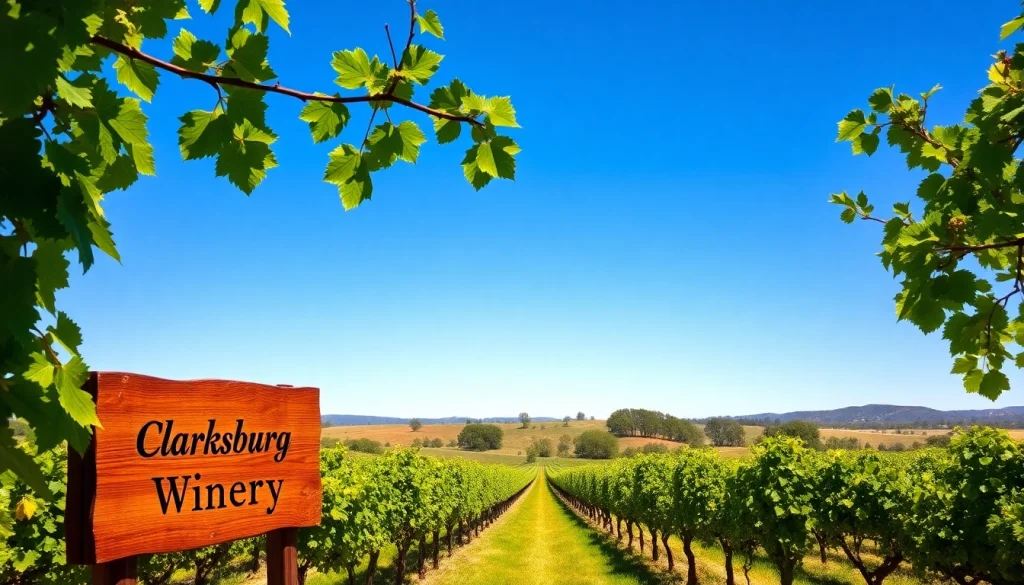
Nestled in the heart of California’s lush agricultural landscape, the Clarksburg wineries offer a unique glimpse into the rich tradition of winemaking that flourishes in this region. With its ideal climate and fertile soils, Clarksburg has emerged as a noteworthy wine destination, inviting connoisseurs and casual drinkers alike to explore a diverse array of local varietals and landscapes. This guide aims to provide an in-depth exploration of Clarksburg wineries, their distinct characteristics, and what makes them a key player in the ever-evolving world of Californian wine.
1.1 Overview of Clarksburg Wine Country
Clarksburg, situated just south of Sacramento along the Sacramento River, is part of the larger Delta region wine country. This area boasts a rich heritage that dates back to the 19th century when early settlers began experimenting with viticulture. Today, Clarksburg is home to several wineries, each with its own personality and production techniques. The remarkable diversity of microclimates and soil types within Clarksburg contributes to the unique flavors and characteristics found in its wines, making it a delightful destination for wine enthusiasts.
1.2 Significance of Local Terroir
Terroir, a French term used to describe the environmental conditions that affect a vineyard’s particular characteristics, plays a crucial role in the wines produced in Clarksburg. The region is primarily defined by its sandy loam soils, which provide excellent drainage and support root development, allowing vines to thrive. The area’s climate, characterized by warm days and cool nights, fosters slower ripening of grapes, enhancing flavor complexity. Additionally, the influence of the nearby Sacramento River creates natural airflow which helps to prevent mold and preserve grape health. This harmonious interplay of soil, climate, and location results in distinctive expressions of the varietals cultivated in Clarksburg.
1.3 What Makes Clarksburg Wineries Unique
What sets Clarksburg wineries apart from those in more renowned wine regions is their commitment to authenticity and community. Many local wineries are family-owned, with generations of knowledge passed down through the years. This personal touch often translates to distinctive wines that reflect the land’s heritage and the winemaker’s passion. Additionally, the camaraderie among neighboring wineries fosters collaboration and innovation, contributing to a vibrant wine culture that prioritizes quality and sustainability.
2. Types of Wines Produced in Clarksburg
2.1 Varietals: From Chardonnay to Cabernet
The Clarksburg AVA (American Viticultural Area) is known for an impressive selection of grape varietals, with Chardonnay and Cabernet Sauvignon leading the charge. Chardonnay grown in this region often exhibits bright fruit flavors and balanced acidity, making it an excellent choice for both oaked and unoaked styles. Meanwhile, the Cabernet Sauvignon here tends to reveal rich dark fruit notes tempered by hints of spice and earthiness, resulting in a complex tasting experience.
In addition to these popular varietals, Clarksburg wineries also produce a variety of other wines, including Chenin Blanc, Merlot, and Petite Sirah, each showcasing the region’s versatility and winemaking prowess. This diversity provides a wide spectrum of flavors and styles for every palate, ensuring that visitors always have something new to taste and enjoy.
2.2 Trends in Winemaking
The winemaking landscape in Clarksburg is not static; instead, it evolves with changing consumer preferences and technological advancements. Recently, there has been a noticeable trend towards producing natural and minimal intervention wines. Many wineries are exploring organic and biodynamic farming techniques, focusing on sustainability and eco-friendly practices that resonate with environmentally conscious consumers.
Additionally, winemakers are increasingly experimenting with lesser-known varietals, blending traditional techniques with modern innovations to create unique wine offerings. This adventurous spirit contributes to the overall appeal of Clarksburg wineries, attracting both traditionalists and modern wine drinkers.
2.3 Sustainable Practices in Clarksburg Wineries
Sustainability is a guiding principle for many Clarksburg wineries. As awareness of environmental issues continues to grow, local wineries are implementing practices that reduce their ecological footprint. These practices may include water conservation measures, organic pest management, and renewable energy usage, such as solar panels.
Furthermore, many wineries focus on reducing waste by recycling materials used in production and encouraging eco-friendly transportation options for visitors. This dedication to sustainable practices not only benefits the environment but also enhances the quality of the wines produced and builds a deeper connection with consumers who share these values.
3. Visiting Clarksburg Wineries: What to Expect
3.1 Tasting Room Experiences
Visiting Clarksburg wineries often begins with a trip to their tasting rooms, where you can sample their latest offerings. Each winery offers a unique tasting experience tailored to showcase their philosophy and products. Some may focus on guided tastings led by knowledgeable staff, while others encourage a more casual, self-paced exploration of their wines. Many tasting rooms are situated amidst picturesque vineyards, allowing visitors to savor their wine while enjoying breathtaking views of the surrounding landscape.
Reservations are recommended, especially during peak seasons, to guarantee a spot in a tasting experience. Most wineries also offer packages that may include food pairings, vineyard tours, or seasonal specials, enhancing the overall experience.
3.2 Winery Events and Festivals
Throughout the year, Clarksburg wineries host a variety of events and festivals that celebrate the local wine culture. These events can range from seasonal harvest festivals to wine club member-exclusive tastings. Participating in these gatherings is a fantastic way to meet fellow wine lovers, sample a range of wines, and even learn from the winemakers themselves.
Some wineries also organize charity events, live music, and food pairings to engage the community and provide a unique atmosphere. Attending these events can enrich your visit and add a memorable experience to your time in Clarksburg.
3.3 Guided Tours and Educational Opportunities
For those looking to dive deeper into the world of winemaking, many Clarksburg wineries offer guided tours of their vineyards and production facilities. These tours often include explanations of the winemaking process, a closer look at grape growing techniques, and insights into the unique terroir that influences each wine.
Additionally, educational workshops on wine tasting or food pairing may be available, providing valuable knowledge that can enhance your appreciation of wines both during your visit and at home.
4. Pairing Food with Clarksburg Wines
4.1 Local Cuisine to Complement the Wines
The culinary scene surrounding Clarksburg is as diverse as its wine offerings. Local restaurants emphasize fresh, seasonal ingredients, many of which are sourced from farms within the region. This connection to local produce creates an opportunity for exciting food and wine pairings that highlight the best flavors of Clarksburg. Seafood, barbecue, and vegetarian dishes are commonly enjoyed alongside the locally produced wines, providing a harmonious dining experience.
4.2 Popular Food and Wine Pairings
Pairing wine with food is an art that enhances both the meal and the wine itself. In Clarksburg, popular pairings include Chardonnay with grilled fish or creamy pasta, while Cabernet Sauvignon complements hearty meats like steak or braised dishes. Fans of Chenin Blanc often enjoy it with spicy Asian cuisine, where the wine’s acidity balances the heat. Experimentation with food pairings can lead to delightful discoveries, making for an enjoyable home dining experience.
4.3 Tips for Hosting a Wine Tasting at Home
Hosting your own wine tasting event can be a fun way to explore Clarksburg wines with friends. Start by selecting a range of wines to showcase the diversity of the area. Prepare some small plates of complementary food to encourage pairing exploration. Additionally, encourage guests to take notes on each wine’s flavors and aromas, facilitating lively discussions throughout the evening. Creating a relaxed atmosphere with good company will enhance the overall experience, allowing everyone to appreciate the nuances of the wines being enjoyed.
5. Frequently Asked Questions about Clarksburg Wineries
5.1 What types of wine are popular in Clarksburg?
Clarksburg is known for its exceptional Chardonnay and Cabernet Sauvignon, but also produces Merlot, Chenin Blanc, and Petite Sirah, showcasing a range of flavors.
5.2 Are there any seasonal events at Clarksburg wineries?
Yes, many Clarksburg wineries host seasonal festivals, including harvest celebrations, wine releases, and food events, making visits more enjoyable and engaging.
5.3 How can I plan a visit to multiple wineries?
Consider creating an itinerary that groups nearby wineries together, allowing for efficient travel between locations. Reserving ahead for tastings is also recommended.
5.4 What should I wear when visiting wineries?
Dress comfortably and consider the weather; smart-casual attire is often suitable. Comfortable shoes are advisable for vineyard tours and outdoor spaces.
5.5 Can I purchase wine directly from Clarksburg wineries?
Yes, most Clarksburg wineries allow visitors to purchase wines directly from their tasting rooms, and some may offer shipping options for convenience.