Essential Strategies for Maximizing Construction Site Safety
Understanding the Importance of Construction Site Safety
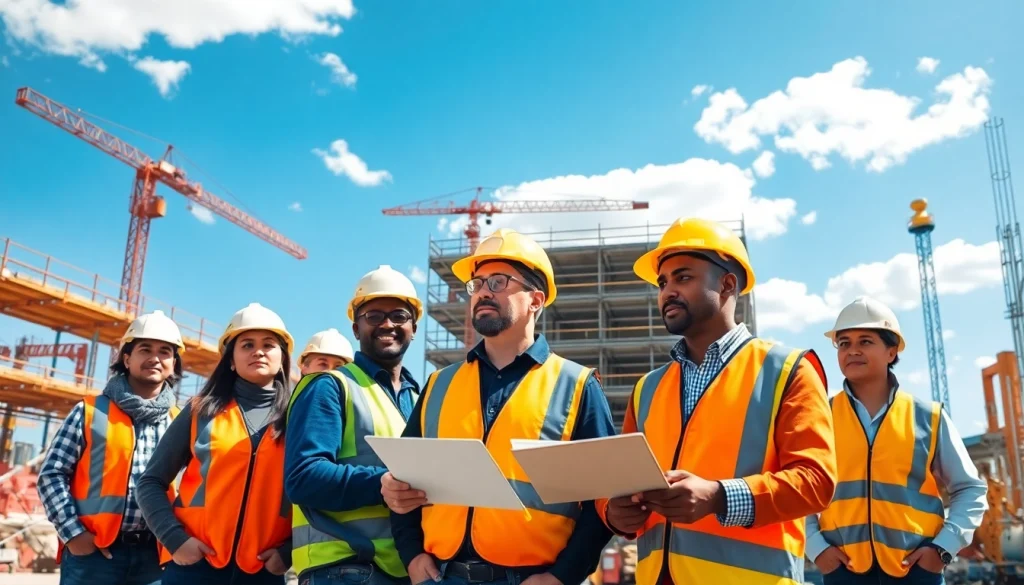
Construction site safety is not merely a set of guidelines or regulatory mandates; it is a fundamental aspect of the construction industry that ensures the health and welfare of all employees on-site. Maintaining a safe environment not only protects workers from potential hazards but also fosters a culture of productivity and efficiency. In this article, we will explore the various dimensions of construction site safety, from understanding core regulations to implementing effective safety protocols.
What is Construction Site Safety?
Construction site safety encompasses all practices, regulations, and strategies designed to protect workers from accidents and injuries while on the job. It includes recognizing potential hazards, implementing safety measures, and ensuring compliance with legal standards. A comprehensive approach to construction site safety involves proactive risk management, continuous training, and the commitment of all parties involved to prioritize safety over productivity. For more insights, consider exploring construction site safety frameworks.
Core Regulations and Standards
Governments and safety organizations have established various regulations and standards that are critical in guiding construction site safety. Key regulations often include those set forth by the Occupational Safety and Health Administration (OSHA) in the United States, which outlines the responsibilities of employers to provide a safe working environment. Compliance with such regulations minimizes risks and enhances the overall safety performance of a site. Other essential standards may include ISO certifications and local safety codes that govern specific practices.
Impact of Safety on Workforce Productivity
A strong safety culture directly impacts workforce productivity. Studies show that environments prioritizing safety tend to yield higher morale, lower turnover rates, and decreased absenteeism. When workers feel safe, they are more engaged and capable of focusing on their tasks without fear of injury, leading to improved efficiency and output. Investing in safety training and equipment is not just a legal obligation but a strategic business decision.
Identifying Common Hazards
Physical Risks on Construction Sites
Physical hazards are prevalent on construction sites and can take many forms, including falls, equipment malfunctions, or being struck by objects. Identifying these risks involves conducting thorough site assessments and employing safety measures such as guardrails, proper scaffolding, and personal protective equipment (PPE). Regular safety inspections and prompt corrective actions are essential to mitigating these hazards.
Environmental Hazards and Weather Conditions
Construction sites are often subject to various environmental factors that can pose safety threats. Extreme weather conditions like rain, snow, or heat can affect the integrity of the structures being built and the safety of the workers. Adopting an effective weather monitoring system, adjusting work schedules, and providing adequate hydration and shelter are vital strategies to protect workers from these environmental hazards.
Human Factors: Mindset and Behavior
Human behavior plays a crucial role in construction site safety. The mindset and attitudes of workers towards safety can significantly influence their decisions and actions on-site. Cultivating a safety-oriented culture requires ongoing education and encouragement for workers to engage in safe practices actively. Encouragement, recognition, and the integration of safety into daily routines are essential steps to influencing positive driver behavior.
Implementing Effective Safety Protocols
Role of Training and Education
Continuous training and education are the cornerstones of an effective construction site safety program. Employers have a responsibility to equip their workers with the knowledge and skills to recognize hazards and implement safety measures. Routine safety training sessions, workshops, and refresher courses ensure that employees remain informed about safety standards and practices, significantly reducing on-site accidents.
Utilizing Safety Equipment and Gear
Proper safety equipment is indispensable for safeguarding workers on a construction site. This includes hard hats, safety goggles, harnesses, and steel-toed boots, all of which protect against various physical risks. Employers must ensure that all equipment is up to standard, well-maintained, and available to all workers. A culture that encourages the consistent use of PPE is integral to promoting safety.
Conducting Regular Safety Audits
Regular safety audits are essential for assessing the effectiveness of safety protocols. These audits can help identify areas for improvement, ensure compliance with safety standards, and track safety performance over time. Establishing a schedule for audits and involving team members in the process can cultivate a sense of accountability and promote ongoing safety vigilance on the site.
Communicating Safety Measures
Creating a Culture of Safety
Creating a robust culture of safety within the construction environment starts at the top. Leadership must prioritize safety and communicate its importance to all employees effectively. When management demonstrates a genuine commitment to safety, it encourages workers to adopt safe practices and report unsafe conditions without fear of reprisal.
Informing All Stakeholders
Effective communication regarding safety measures involves all stakeholders, including contractors, suppliers, and clients. Sharing safety protocols and updates among these parties fosters a collective responsibility for safety on-site. Regular meetings, safety bulletins, and shared documentation can ensure everyone is aligned on safety expectations.
Use of Signage and Safety Alerts
Clear signage and safety alerts are effective tools for maintaining awareness of safety protocols on-site. Visual reminders about hazards, permissible safety gear, and emergency procedures can significantly reduce accidents. Signage should be strategically located throughout the site and periodically reviewed to ensure it remains relevant and effective.
Measuring Safety Performance
Key Performance Indicators (KPIs) for Safety
Establishing key performance indicators (KPIs) is crucial for measuring the effectiveness of safety protocols. Common KPIs might include the number of incidents or near-misses, the frequency of safety training sessions, and compliance rates with safety regulations. Regularly monitoring these KPIs provides valuable insights into safety performance and helps in making data-driven decisions for continuous improvement.
Analyzing Incident Reports
A thorough analysis of incident reports can unveil patterns and root causes of on-site accidents. By examining these reports, organizations can implement targeted interventions to prevent future occurrences. It is essential to create an environment where workers feel safe to report incidents without fear, thereby enriching the data pool for analysis.
Continual Improvement and Feedback Loops
Safety protocols should not be static; they need to evolve based on feedback and performance metrics. Implementing a system for receiving feedback from workers about the effectiveness of safety measures is valuable for continual improvement. Regular revisiting of safety procedures alongside employee input ensures that the safety measures are relevant and effective.
FAQs About Construction Site Safety
What constitutes a safety hazard on a construction site?
A safety hazard is any condition that increases the likelihood of accidents or injuries, such as physical risks (falls, machinery accidents), environmental issues (wet surfaces), and human factors (unsafe behavior).
How often should safety training be conducted?
Safety training should be conducted regularly, with new hires receiving training upon hiring and refresher courses offered at least annually or whenever new protocols are implemented.
What role does leadership play in site safety?
Leadership plays a pivotal role in site safety by setting the safety tone, prioritizing safety measures, and ensuring clear communication about safety policies and practices to all employees.
Why is proper PPE crucial?
Proper personal protective equipment (PPE) is vital as it minimizes the risk of exposure to hazardous conditions and protects workers from injuries that could impede their wellbeing and productivity.
How can I report unsafe conditions on a construction site?
Unsafe conditions should be reported through established channels (like safety officers or supervisors) to ensure swift action is taken. Encouragement for reporting should be transparent and supported by management.