Expert Massage School Thailand: Comprehensive Courses for 2026 Pain Relief and Posture Correction
Understanding the Importance of a Massage School in Thailand
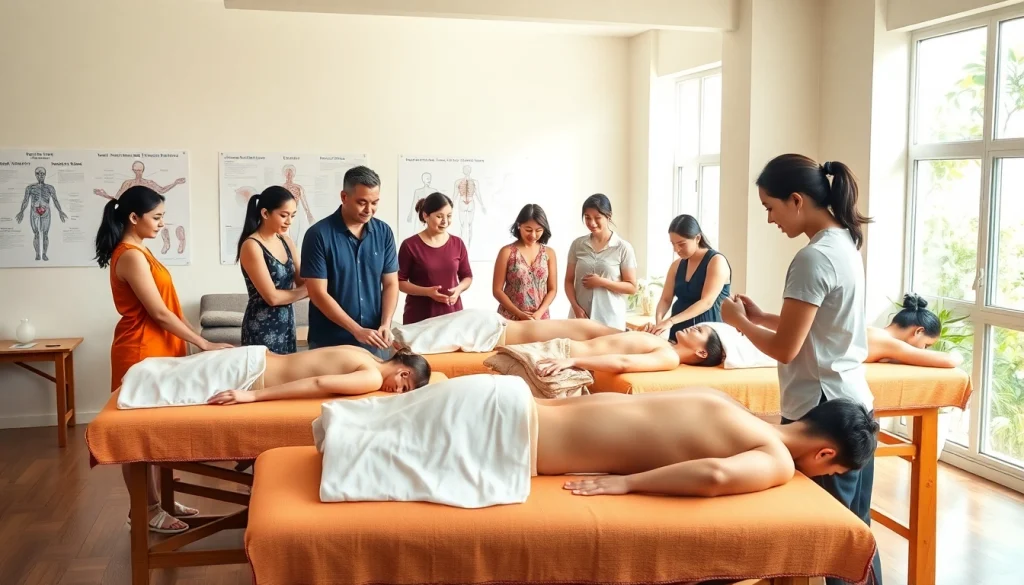
Choosing to pursue a career in massage therapy is an exceptional decision, particularly in a country renowned for its rich traditions in healing practices, such as Thailand. Attending a professional Massage School Thailand can provide invaluable skills and knowledge that lay the groundwork for a successful career. The benefits of structured education extend beyond just learning techniques; they encompass an understanding of anatomy, physiology, and the philosophical aspects of massage therapy.
Benefits of Professional Massage Training
Professional training offers numerous advantages for aspiring massage therapists and seasoned practitioners alike. First and foremost, schools like RSM International Academy emphasize evidence-based practices, integrating sports medicine principles with therapeutic techniques. This comprehensive approach not only equips students with practical skills but also fosters a deep understanding of the body’s mechanics. As a result, graduates can deliver personalized treatments that cater to individual client needs.
Additionally, obtaining certification from a reputable institution enhances credibility in a competitive market, enabling therapists to build trust with clients and healthcare providers. Furthermore, ongoing support and networking opportunities within the massage community help practitioners stay informed about advancements in techniques and modalities.
Common Misconceptions about Massage Education
Despite the rising popularity of massage therapy, several misconceptions persist regarding the educational requirements and scope of practice for this profession. One prevalent myth is that massage therapy is merely a luxury service rather than a legitimate healthcare profession. In reality, the field encompasses various therapeutic modalities designed to address specific health issues, including chronic pain, posture correction, and rehabilitation from injuries.
Another misconception is that formal education is not necessary for a successful career in massage therapy. While it is possible to learn some skills informally, comprehensive training ensures that therapists are well-equipped to handle complex cases and understand the intricacies of body mechanics, physiology, and client communication. It is essential to recognize that formal education is an investment in a therapist’s future and client outcomes.
The Role of Sports Medicine in Massage Therapy
Sports medicine plays a crucial role in how massage therapy is currently taught and practiced. By integrating sports medicine principles, massage schools provide therapists with a robust understanding of biomechanics, injury prevention, and rehabilitation strategies. This is especially important for professionals working with athletes and active individuals who experience unique physical demands.
Furthermore, knowledge of sports medicine allows therapists to collaborate effectively with other healthcare providers, ensuring a multidisciplinary approach to client care. This collaboration improves treatment outcomes and reinforces the legitimacy of massage therapy within the healthcare ecosystem.
Core Courses Offered at RSM International Academy
At RSM International Academy in Chiang Mai, students can engage in a variety of core courses designed to enhance their skills and knowledge in massage therapy. These programs are structured to elevate both foundational techniques and advanced applications, ensuring that graduates leave with comprehensive expertise applicable across various client scenarios.
Trigger Point Therapy for Pain Relief
The Trigger Point Therapy Course at RSM is critically acclaimed for its focus on identifying and treating myofascial pain. Participants learn how to assess and address both active and latent trigger points, utilizing palpation techniques that are integral to effective treatment protocol.
This course not only educates students about pain management but also enhances their ability to construct tailored therapy plans that correspond to the unique physiological patterns of each client. Graduate feedback often highlights significant improvements in their confidence and capability to alleviate chronic pain conditions through targeted techniques.
Deep Tissue Massage Techniques for Postural Correction
Another cornerstone of RSM’s curriculum is the Deep Tissue Massage Course, which emphasizes postural correction. Understanding how muscle tension affects joint mobility and overall posture is essential for therapists aiming to impact clients’ body mechanics.
Students are trained to employ specific massage strokes that release muscular tension, realign the skeletal structure, and promote healthier postural alignment. This course includes practical applications of assessments to identify postural imbalances, allowing therapists to address underlying issues effectively.
Dynamic Myofascial Release and its Benefits
The Dynamic Myofascial Release Course focuses on enhancing mobility and flexibility through various myofascial techniques. Participants learn how to identify restrictions within the myofascial system and apply dynamic techniques to restore optimal movement patterns.
This approach not only aids in rehabilitation but also enhances athletic performance, making it particularly beneficial for sports coaches and trainers. Students appreciate the hands-on experience and the ability to integrate these techniques into their existing practice framework.
Choosing the Right Massage Course for Your Career
Selecting the appropriate course is pivotal in shaping a successful career in massage therapy. With numerous options available, it’s crucial to assess personal goals, learning styles, and professional aspirations when making this decision.
Assessing Your Professional Goals and Needs
Before enrolling in any program, it is advisable to reflect on one’s long-term career objectives. Are you looking to specialize in pain relief, sports therapy, or wellness? Understanding your target clientele and the types of therapies you wish to provide will guide you toward the most beneficial courses.
Additionally, consider the type of learning experience you thrive in—some may prefer hands-on workshops, while others might benefit from a more theoretical approach. Taking the time to assess personal preferences will ultimately lead to a more fulfilling educational journey.
Comparing Course Structures: What to Look For
When examining potential courses, analyzing their structure and content is vital. Look for programs that balance theory and practical application, ensuring that you can directly implement your learning in real-world scenarios. Courses should also include adequate supervision and mentorship from experienced instructors.
Moreover, it’s beneficial to verify if the school provides additional resources, such as career support, networking opportunities, or continuing education options. These factors can significantly impact your professional development post-certification.
Understanding Different Specializations in Massage Therapy
Massage therapy is a diverse field with various specializations, including sports massage, deep tissue therapy, and traditional Thai massage. Familiarizing yourself with these different modalities can help in identifying which area resonates most with your interests and career goals.
For instance, if you are inclined towards helping athletes prevent injuries and optimize performance, specializing in sports massage would be advantageous. On the other hand, if you enjoy working with chronic pain clients, focusing on deep tissue techniques may be more appropriate.
Real-World Applications of Massage Techniques
Once trained, the real-world application of massage techniques becomes paramount. Practitioners must know how to adapt their skills to meet the diverse demands of their client base, ensuring effective and personalized care.
Integrating Sports Medicine into Massage Practices
Integrating sports medicine concepts into massage therapy practice fosters a comprehensive approach to treatment. By applying knowledge of biomechanics, injury assessment, and functional rehabilitation, therapists are better equipped to address complex client issues.
For example, understanding the kinetics of movement can aid therapists in creating focused rehabilitation protocols that heal injuries effectively while preventing future occurrences. This integration positions therapists as valuable members of multidisciplinary healthcare teams.
Case Studies: Successful Outcomes from RSM Graduates
Real-world testimony is crucial in demonstrating the efficacy of RSM’s training programs. Numerous graduates have reported significant success in their practices, effectively addressing chronic pain, enhancing athletic performance, and improving clients’ overall well-being.
For instance, a graduate specializing in sports massage demonstrated remarkable improvements among professional athletes by incorporating dynamic myofascial release techniques into their recovery sessions. Such case studies not only validate the training received but also inspire confidence in prospective students.
Tailoring Techniques for Individual Client Needs
Personalization of treatment plans based on client assessments is vital to successful outcomes. Experienced therapists recognize that each client requires a tailored approach that considers their unique physiological composition, lifestyle, and specific issues.
The ability to modify techniques based on ongoing assessments allows therapists to provide individualized care, thus enhancing client satisfaction and retention. This approach encourages a deeper understanding of body mechanics and fosters a therapeutic relationship between the therapist and the client.
Future Trends in Massage Therapy Education
As the massage therapy field evolves, so too does the educational framework designed to support practitioners. Future trends will likely emphasize innovative techniques, technologies, and evidence-based practices to align with the growing demands of the healthcare industry.
Emerging Techniques and Technologies in 2026
Technological advancements are reshaping how massage therapy is taught and practiced. Virtual reality (VR) simulations for skill development, online assessment tools, and mobile app integrations for client management are becoming more common.
Furthermore, continued research into the physiological benefits of massage is informing evidence-based curriculum changes, ensuring therapists are educated on cutting-edge methodologies and practices.
Incorporating Research and Evidence-Based Practice
The push towards evidence-based practice is gaining momentum, emphasizing the need for therapists to stay updated on the latest research findings. This incorporation ensures that the techniques taught are both effective and scientifically validated.
Massage schools must prioritize teaching students how to critically evaluate new research, applying relevant findings to their practice to enhance client outcomes. This aligns the profession more closely with traditional healthcare paradigms, fostering respect and recognition within the broader medical community.
Adapting to Changes in Client Expectations and Needs
As clients become more educated about health and wellness, their expectations for massage therapy will also evolve. Therapists must be adaptable, catering to the diverse needs of their clientele while providing comprehensive care that encompasses physical and emotional well-being.
Practitioners will need to leverage their training to offer tailored services that align with clients’ shifting preferences, which may include integrated wellness plans, preventive therapies, and holistic approaches that address both mind and body.